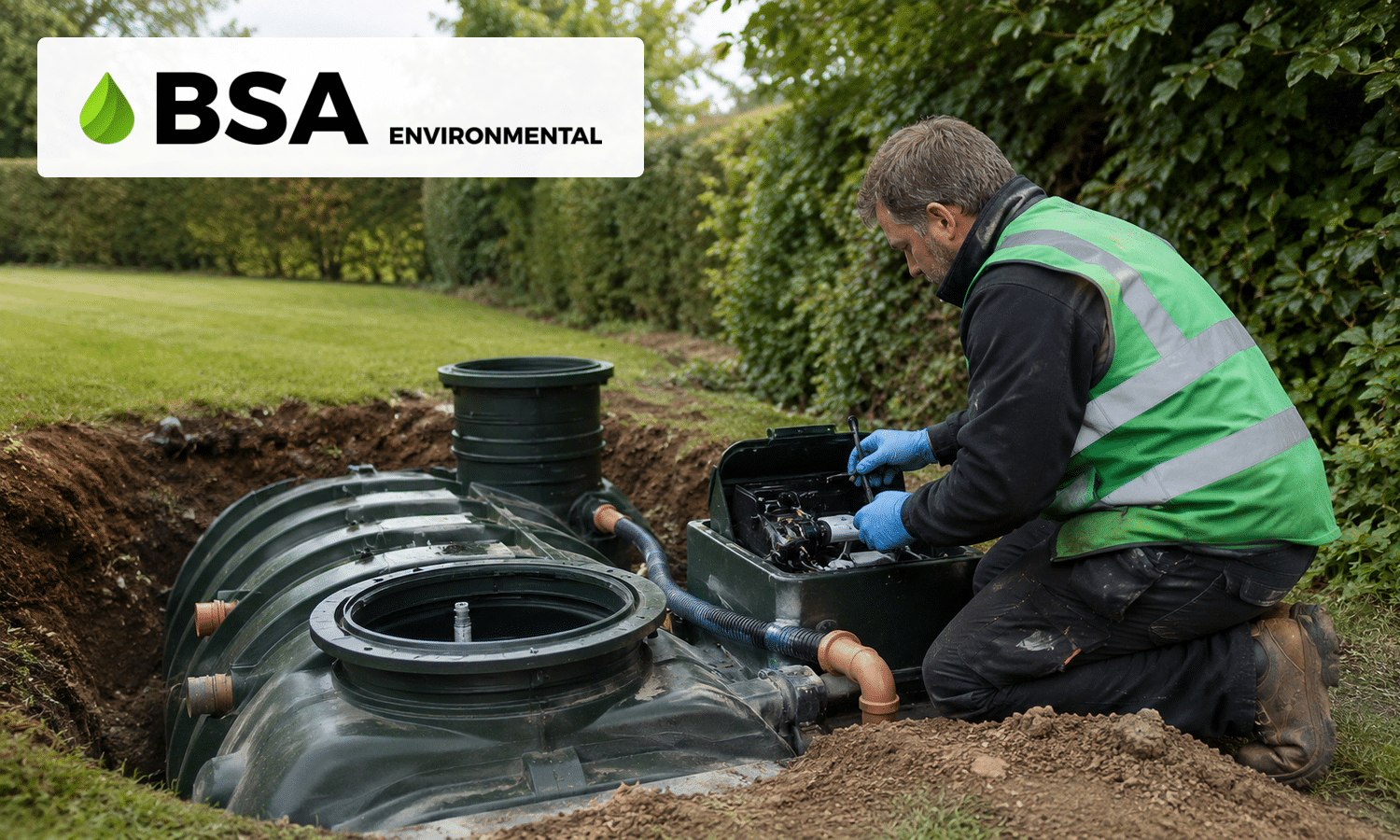
A sewage treatment plant provides an effective way to manage wastewater when a property is not connected to the main sewer network. When properly installed and maintained, the system should operate reliably and treat wastewater safely. However, faults can develop over time, particularly when servicing is neglected or the plant is used incorrectly.
Understanding common sewage treatment plant problems can help you recognise warning signs early and arrange professional assistance before the issue becomes more serious.
Unpleasant smells around the system
A properly functioning sewage treatment plant should not produce persistent unpleasant smells. Strong odours may indicate that wastewater is not being treated correctly, the ventilation system is blocked or internal components are not operating effectively.
The first step is to arrange a professional inspection. An experienced engineer can examine the plant, check the ventilation and identify any mechanical or biological problems. Regular servicing can help prevent odours by keeping the system clean and operating correctly.
Warning lights or alarms
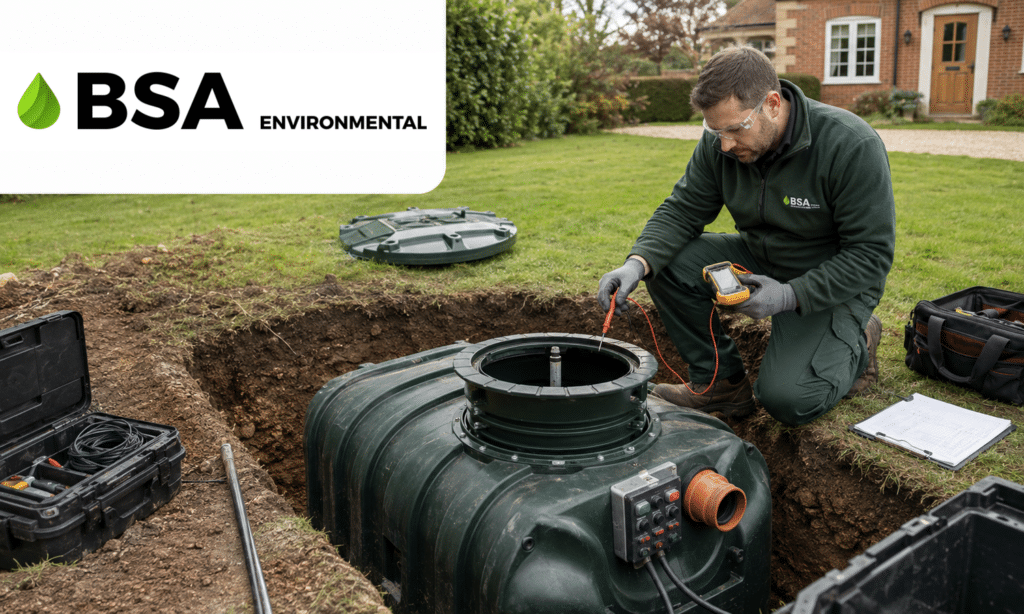
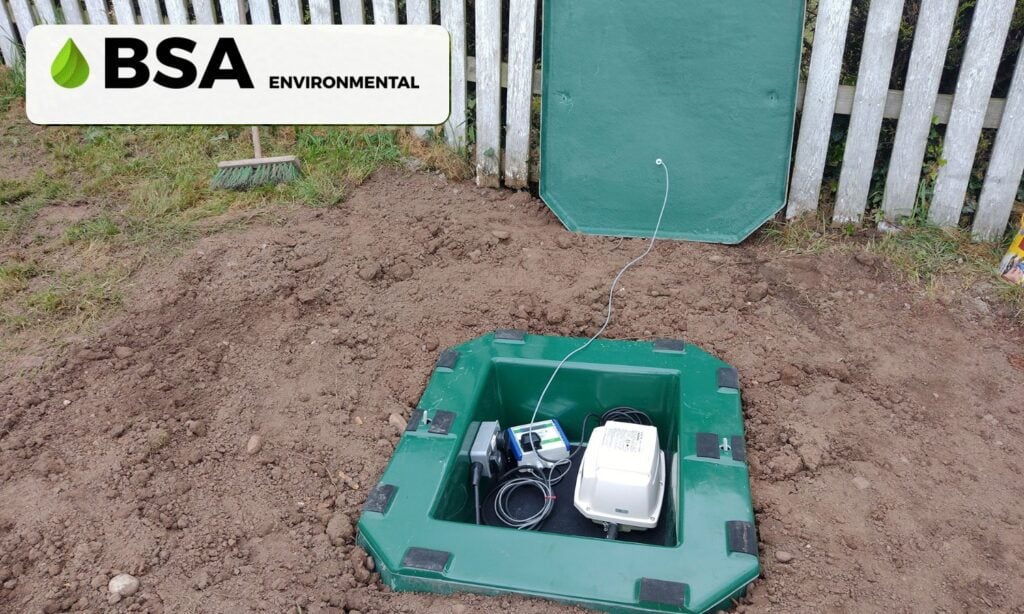
Many modern sewage treatment plants have an alarm that activates when a fault is detected. This may be caused by a failed pump, blower problem, electrical fault or unusually high water level.
An alarm should never be ignored. Continuing to use a faulty system could lead to untreated wastewater, overflowing or damage to important components. Contact a sewage treatment plant specialist who can test the equipment, identify the fault and complete the necessary repair.
Slow drainage and wastewater backing up
Slow draining sinks, toilets or showers may indicate a blockage in the pipework leading to the treatment plant. Wastewater backing up into the property is a more serious warning sign that requires immediate attention.
Blockages can be caused by unsuitable items entering the system, accumulated waste or damaged drainage pipes. A CCTV drain survey can help locate the obstruction or identify structural damage. Depending on the findings, water jetting, drain clearance or repairs may be required.
Standing water near the treatment plant
Pools of water or unusually wet ground around the sewage treatment plant could suggest an overflowing system, damaged pipework or a problem with the discharge arrangement. It may also indicate that the plant has become overloaded.
Avoid disturbing the affected area and arrange an inspection promptly. A specialist can check water levels, pumps, pipes and the discharge system to determine the cause and recommend a suitable solution.
Unusual noises from the system
Some operating noise is normal, particularly from blowers and pumps. However, new rattling, grinding or unusually loud sounds may indicate that a component is worn, damaged or obstructed.
Early investigation may allow the faulty part to be repaired or replaced before it causes a complete system failure. Routine servicing also gives engineers an opportunity to inspect moving components and identify signs of wear.
Poor treatment performance
A sewage treatment plant relies on a balanced biological process to treat wastewater. Excessive use of bleach, harsh chemicals, fats, oils and unsuitable cleaning products can disrupt this process.
Property owners should follow the manufacturer’s guidance and avoid placing unsuitable materials into the drainage system. If treatment performance has declined, a professional engineer can inspect the plant, assess its condition and advise on the correct action.
Preventing sewage treatment plant problems
Regular maintenance is one of the most effective ways to prevent unexpected faults. Servicing allows important components to be cleaned, tested and adjusted. The plant should also be emptied at suitable intervals to prevent excessive sludge from affecting performance.
BSA Environmental provides sewage treatment plant maintenance, repairs and professional advice across Solihull, Worcestershire, Shropshire and the wider West Midlands.
If you have noticed smells, alarms, slow drainage or standing water, call 01564 331331 or 07538 467 611. You can also email info@bsaenvironmental.co.uk to arrange an assessment.